Next Course: TBC
Cost: £TBC per person
Course Size: TBC people
CPD hours: 3 hours
Delivery mode: Face to face
Course description:
This interactive course is designed to strengthen diagnostic reasoning and clinical decision making skills for osteopaths and allied healthcare professionals.
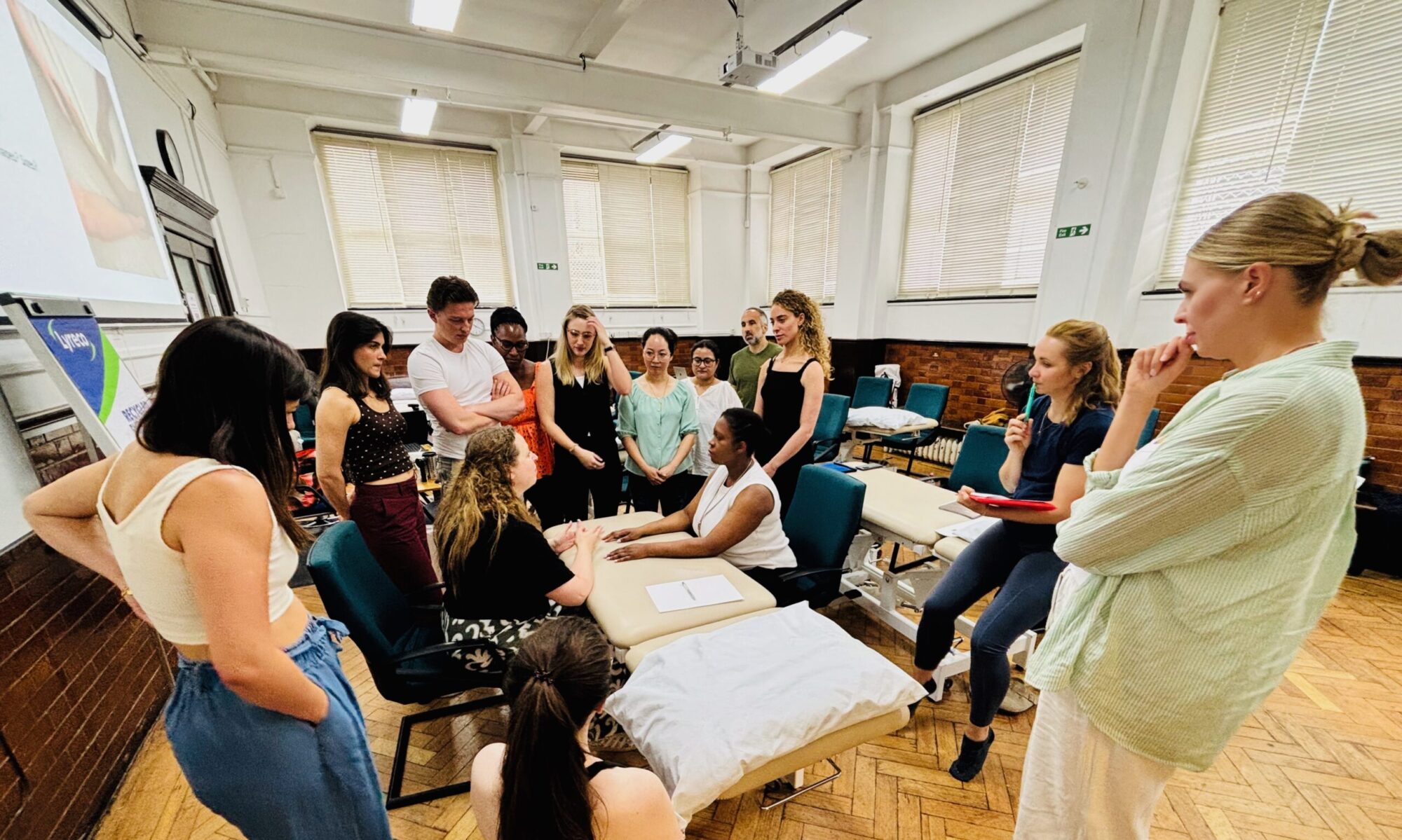
It introduces practical frameworks to support differential diagnosis and improve confidence in identifying causes for patient presentations. Drawing on applied anatomy, pathophysiology and core osteopathic principles, the course provides a structured approach that can be readily implemented in clinical practice. Through facilitated case based discussions and real-world examples, participants will enhance their ability to screen and differentiate between musculoskeletal and non-musculoskeletal conditions within a safe and supportive learning environment.
Learning outcomes:
- Integrate relevant anatomy and pathophysiology into clinical reasoning for region specific presentations and examples.
- Developing methods to distinguish between red flags presentations requiring further referral/ investigation and musculoskeletal conditions.
- Apply osteopathic and broader healthcare principles to explore and identify potential root causes for patient symptoms.
- Start to select, justify and apply appropriate examinations and assessment tools to inform clinical decision making.
Topics;
- The role and importance of differential diagnosis in clinical practice.
- Identification of interpretation of key red flags versus common musculoskeletal presentations.
- Structured clinical reasoning using case-based examples.
Teaching and learning methods: short PowerPoints/ lectures and case based discussions.
Certificate of completion with CPD hours provided after completion of the course.