
Next Course: 2nd & 3rd October 2027
Location: London School of Osteopathy, 12 Grange Rd, London SE1 3BE
Cost: £300 per person
Course Size: 16 people
CPD hours: 12 hours over 2 days
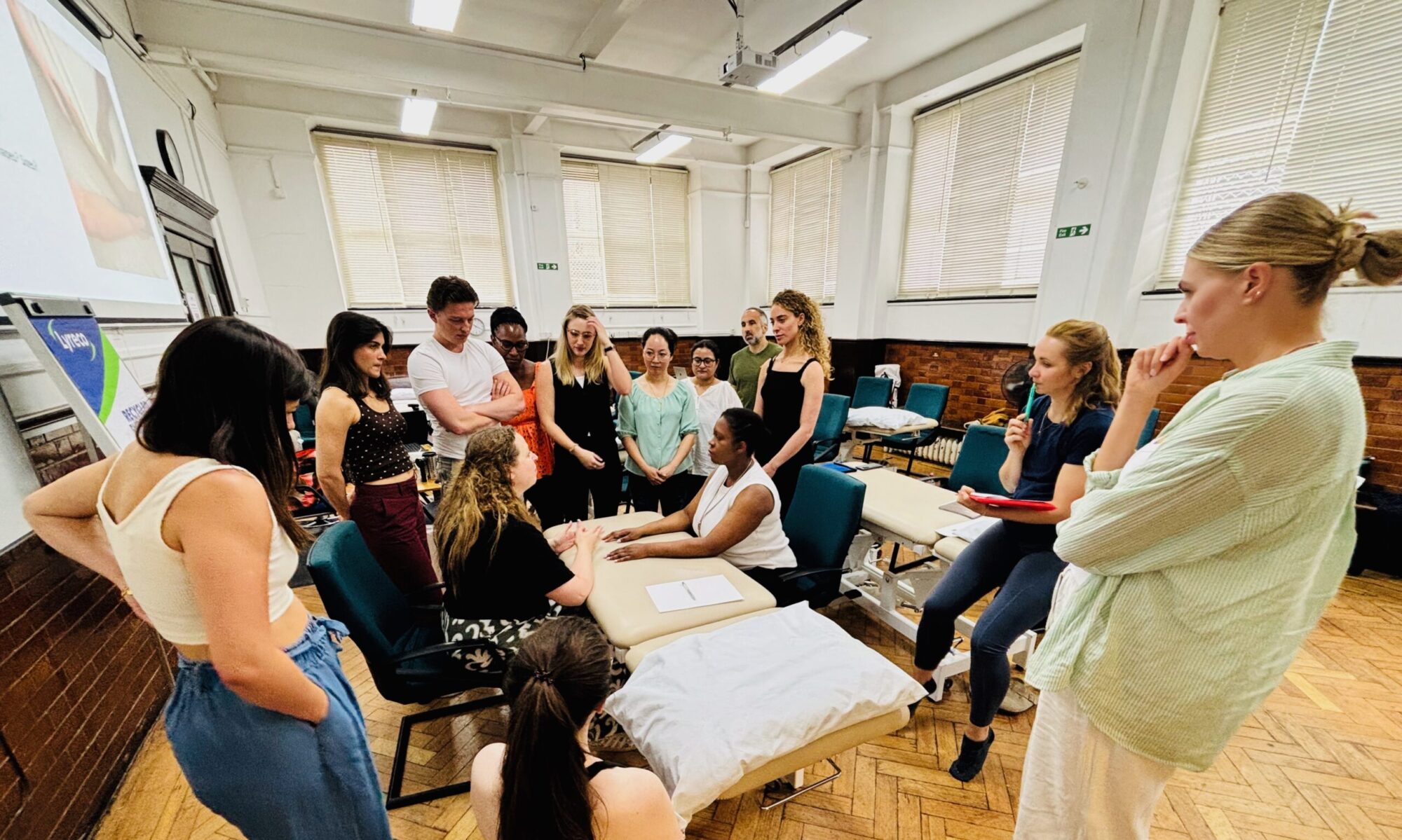
Delivery mode: Face to face with practical workshops
Course description:
This course is designed to provide foundational knowledge regarding the temporal-mandibular joint (TMJ) tailored to osteopaths and allied healthcare practitioners within their scope of practice. The course integrates osteopathic principles, manual therapy techniques alongside elements of contemporary pain science. Providing key reasoning for what makes the TMJ so special and how it affects us throughout phases of life.
Considering and integrating the craniofacial and musculoskeletal system throughout difference assessment, treatment and management tools. To therefore develop a broader understanding of how altered TMJ mechanics and associated structures may contribute to local symptoms and broader patterns of musculoskeletal dysfunction.
Please note this course does not make you a specialist in understanding the TMJ and is mainly focused on the adult population on day 1 with key elements of child TMJ during day 2.
Learning outcomes:
- Review the function and structure of the TMJ.
- Identify common patterns of TMJ dysfunction and recognise the potential musculoskeletal and functional presentations.
- Learn some clear methods to examine the TMJ and its associated structures.
- Understanding selected conditions associated with temporal-mandibular disorders (TMD).
- Able to apply an array of direct, indirect and exercise based interventions to aid in the overall treatment of individuals experiencing TMJ associated pain within the scope of practice.
- Understanding and recognising interdisciplinary referral pathways.
Topics;
Part 1: Theory
- Includes understanding the osteology and articular surfaces alongside ligamentous support.
- The use of the muscles of mastication and the importance of the neurological supply to the temporal-mandibular joint.
- The diagnostic criteria for TMD.
- The relationship between the cervical spine and TMJ.
- The presence of biopsychosocial influences and central sensitisation.
Part 2: Practical application
- What information in the case history is key.
- Methods to examine and palpate the TMJ.
- Using indirect, direct techniques and exercise protocols to treat and manage.
- The secondary influence sites to consider and treat.
- Identifying your scope of practice, safeguarding and chaperone policies.
Teaching and learning methods – short PowerPoints/ lectures, demonstrations, hands on practice, peer learning, feedback and case based discussions.
Certificate of completion with CPD hours provided after completion of the course.